Debating between a beachfront address and a quieter inland home in Juno Beach? You are not alone. The right choice comes down to lifestyle, ongoing costs, insurance, and how you plan to use the water. This guide breaks down what changes when you move a few blocks inland, from maintenance and HOAs to boating access and environmental risk. Let’s dive in.
Waterfront vs. inland: key differences
- Waterfront usually costs more to buy and own. Premiums vary by water type and property type.
- Inland tends to mean lower maintenance and simpler insurance while staying close to beaches and amenities.
- Waterfront offers views and direct water access. Inland offers quieter streets, yard options, and less coastal exposure.
- Inventory in Juno Beach is limited. You may need flexibility on timing and features.
Juno Beach property types
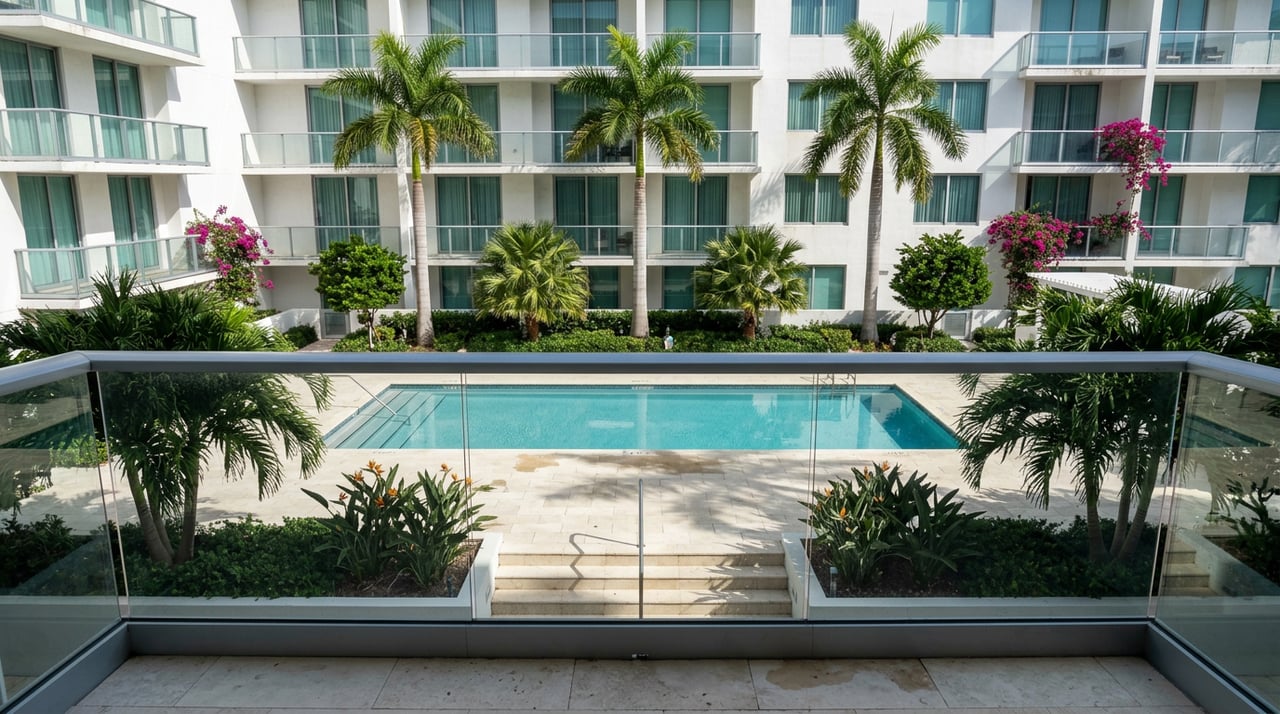
You will find oceanfront condos and single-family homes along A1A, some with dramatic views and easy beach access. Intracoastal or canal-front homes can offer private docks and boating, though supply is limited. A block or two inland, low to mid-rise condos and townhomes provide walkable beach access without direct exposure. Farther inland, single-family homes and small subdivisions offer more space and lower coastal-related costs.
Lifestyle and access
Beaches and parks
If daily sand time is a priority, living near A1A puts you steps from public access points and the Juno Beach Pier. The Town’s official site is a helpful place to review beach and pier details so you understand local amenities and rules before you buy. The area also features the Juno Beach Pier and public beach information and the educational Loggerhead Marinelife Center, which add to the coastal lifestyle.
Inland owners still enjoy easy access. You can drive or bike to the beach while avoiding the foot traffic that comes with living right on the water.
Boating access
Oceanfront properties emphasize beach recreation rather than boat slips. If boating is your focus, look for Intracoastal or canal-front homes, or condo communities with deeded or assigned slips. Not every waterfront home includes a slip, and local marinas can have waitlists. Confirm slip ownership, fees, boat size limits, and channel depth early in your search.
Costs and maintenance
Waterfront-specific upkeep
Waterfront living comes with recurring maintenance you do not typically encounter inland.
- Seawalls or bulkheads require inspection, repair, and eventual replacement.
- Docks, pilings, and lifts need periodic care due to marine growth and exposure.
- Salt air accelerates corrosion of HVAC equipment, exterior metals, and vehicles.
- Storm prep and post-storm work are more common near the coast.
These items can be manageable with planning, but they do add to the long-term cost of ownership.
Insurance and financing basics
Flood risk and wind exposure drive insurance decisions. Lenders often require flood insurance in high-risk flood zones. You can check designations and base flood elevations using the FEMA Flood Map Service Center. In Florida, homeowners and wind coverage can be structured differently than in other states. The Florida Office of Insurance Regulation and Citizens Property Insurance Corporation provide helpful overviews.
For waterfront or low-lying properties, get insurance quotes early and ask about elevation certificates, mitigation credits, and hurricane deductibles. Inland properties often see simpler underwriting and lower premiums, depending on exact location and elevation.
HOAs and what to expect
Many waterfront condos and planned communities have HOAs that maintain docks, seawalls, landscaping, and building exteriors. Fees are often higher where specialized marine infrastructure and master insurance are included. Inland communities vary from full-service HOAs to minimal or no HOA.
Always review HOA budgets, reserve studies, meeting minutes, and any special assessments. Confirm what the fee covers, how it handles common-area insurance, and whether there are rental or marina rules.
Regulations and environmental risk
Waterfront improvements usually require permits. Docks, lifts, and seawalls may involve the Town or County, the Florida Department of Environmental Protection, and the U.S. Army Corps of Engineers. Confirm permit history and cure any unpermitted work before closing.
South Florida communities are planning for sea level rise and erosion. Review local planning resources and visualize scenarios with the NOAA Sea Level Rise Viewer. For local governance and resilience information, explore Palm Beach County resources. Inland or elevated properties can reduce exposure, though flood insurance may still be smart depending on your risk tolerance.
Quick-fit guide: match your priorities
Priority: Immediate ocean views and beach access
- Likely fit: Oceanfront condos or single-family homes along A1A.
- Consider: Higher purchase price and ongoing costs; potential condo HOAs.
Priority: Boating and private slips
- Likely fit: Intracoastal or canal-front homes, or condo communities with assigned slips.
- Consider: Seawall and dock upkeep, marina rules and fees, channel depth.
Priority: Lower maintenance and simpler insurance
- Likely fit: Inland single-family homes, townhomes, or condos 1 to 5 miles from the beach.
- Consider: Short drive or bike to sand; fewer maritime amenities.
Priority: Short-term rental potential
- Likely fit: Condos near the beach or walkable areas with vacation demand.
- Consider: HOA rental policies and seasonality. Verify rules before you buy.
Priority: More space and privacy
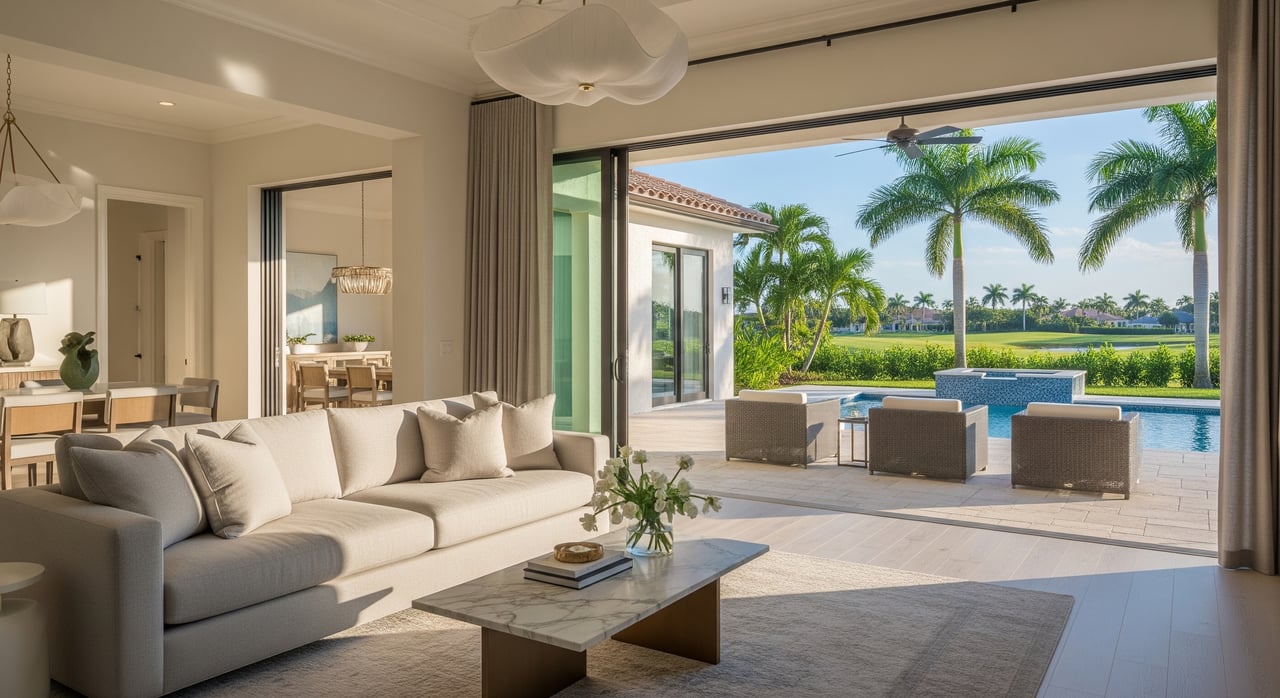
- Likely fit: Inland single-family homes in small subdivisions or quiet residential streets.
- Consider: Less water access but more land and lower coastal exposure.
Priority: Lowest flood and wind exposure near amenities
- Likely fit: Elevated inland homes or newer construction built to current standards.
- Consider: Insurance needs still depend on FEMA maps and elevation.
Buyer checklist you can use today
- Pull current FEMA flood zone data and Base Flood Elevation.
- Request or order an elevation certificate if not available.
- Get preliminary quotes for homeowners, wind, and flood insurance.
- Review HOA documents, budgets, reserves, minutes, and any marina or rental rules.
- Order inspections that include general structure, seawall, dock, lift, and termite.
- Verify permit history for seawalls, docks, and prior work.
- Confirm local zoning and setback rules before planning modifications.
- Map evacuation routes and confirm access to emergency services.
Final thoughts
There is no one-size-fits-all answer. If your dream is sunrise over the Atlantic and daily beach walks, waterfront may be worth the premium. If you prefer a calmer setting, predictable costs, and quick trips to the shore, inland can deliver a great lifestyle without the extra upkeep.
When you are ready to compare specific listings, insurance quotes, and HOA documents side by side, connect with Micah Volmer for personalized guidance backed by Compass tools and local expertise.
FAQs
Are Juno Beach waterfront homes worth the premium for most buyers?
- It depends on your priorities. Waterfront delivers views and direct access, but it typically costs more to buy and maintain, and carries higher insurance and storm exposure.
Will my lender require flood insurance in Juno Beach?
- If the property is in a FEMA high-risk flood zone, most lenders require flood insurance. Even outside those zones, many buyers choose coverage based on risk tolerance.
Do oceanfront properties usually include boat slips in Juno Beach?
- Not typically. Oceanfront emphasizes beach access. For slips, focus on Intracoastal or canal-front properties, or condo communities with assigned docks.
How important is seawall condition when buying waterfront?
- Very important. Seawalls can be expensive to repair or replace and may affect insurance or closing. Always include a seawall inspection and permit review.
How close are inland homes to the beach in Juno Beach?
- Many inland options are a short drive or bike ride from public access points and the pier, letting you enjoy the coast without the added waterfront upkeep.