Trying to figure out which West Palm Beach condo lifestyle actually fits your day to day? With options that range from vibrant downtown towers to Intracoastal mid‑rises and quiet neighborhood complexes, it can be hard to know where to start. You want the right balance of convenience, amenities, costs and future risk. In this guide, you’ll compare three clear lifestyle paths, see the key tradeoffs, and get a practical checklist to protect your purchase. Let’s dive in.
Match your lifestyle to the building
Downtown high‑rises: walkable and connected
If you love walking to dinner, live events and the waterfront, downtown delivers. The Clematis and Rosemary Square areas post very high walkability scores, which matters if you want daily errands on foot and car‑light living. You are also steps from the Brightline station for fast trips to Boca Raton, Fort Lauderdale and Miami, and a short drive to Palm Beach International Airport.
- Day in the life: Morning coffee on Clematis, a gym session in your building, and a 10‑minute walk to lunch. After work, ride Brightline to a Miami game and be home the same night.
- Why it works: Walkability and transit. Check the Clematis corridor’s high scores on Walk Score for a feel of the street‑level experience. Explore the Brightline West Palm Beach station for schedules, and note PBI’s close proximity via Palm Beach International Airport.
- Typical features: Concierge, valet, fitness center, pool, controlled access and covered parking. Units often prioritize views and balconies, with efficient footprints.
- Tradeoffs: Smaller private space than townhome‑style options and often higher monthly condo fees for 24/7 services. Parking can be limited for guests in some towers.
Reference: See Clematis Street’s high walkability on Walk Score.
Waterfront mid‑rises: views and water access
If weekends on the water call your name, look along the Intracoastal. Flagler Drive and SoSo offer buildings with broad terraces and, in some cases, day docks or marina access. You get a quieter feel than the core, with quick access to downtown and the island.
- Day in the life: Sunrise on your terrace, late‑morning paddle on the Intracoastal, and lunch near the promenade. Dinner is a short drive to downtown, then home to a peaceful water view.
- Why it works: Larger outdoor spaces and proximity to marinas and beach routes. For a neighborhood overview, read about the South End vibe on the SoSo neighborhood site.
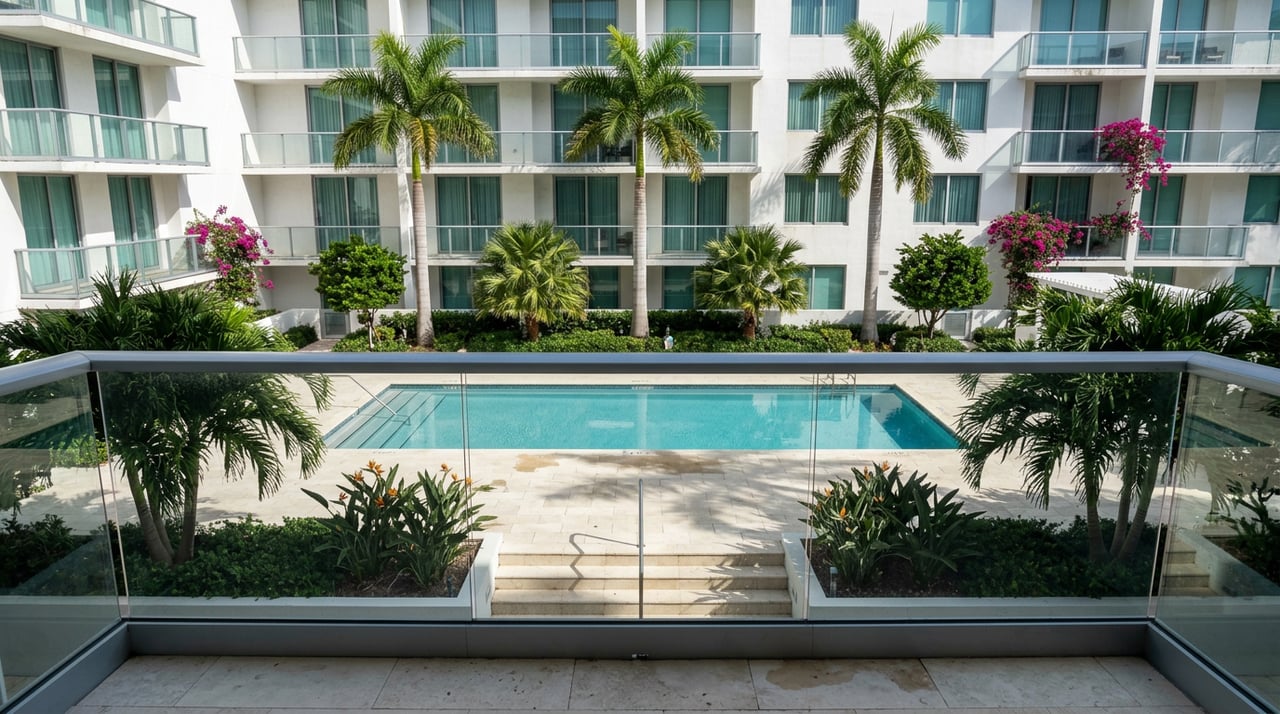
- Typical features: Mid‑rise footprints, water‑facing windows, pool decks overlooking the Intracoastal and more outdoor common space than dense towers. Some buildings offer limited boat access or slips.
- Tradeoffs: Higher flood and wind‑storm exposure can impact insurance costs and HOA budgets. Verify any boat slip or dock rights in writing and ask about waitlists.
Tip: Start all water‑adjacent due diligence with the city’s flood resources and Forerunner mapping at City of West Palm Beach Flood Information.
Neighborhood complexes: quiet, space and charm
If you prefer tree‑lined streets, easier parking and a lower‑density feel, consider condo and townhome communities in areas like Grandview Heights, Flamingo Park and Northwood. You trade some high‑end services for more space and neighborhood character.
- Day in the life: Dog walk under mature palms, quick errands by car or bike, and a short rideshare to dinner downtown. Evenings are quiet, with more storage and often a private entry.
- Why it works: More space for the money and relaxed daily living. Many communities offer modest amenities while keeping HOA dues lower than full‑service towers.
- Typical features: Low‑rise buildings, townhome‑style condos, on‑street or assigned parking and smaller amenity packages.
- Tradeoffs: Fewer premium services like doorman or valet. Older systems in some complexes can require capital work, so reserve strength matters.
Costs and dues to expect
Monthly HOA dues vary widely. Amenity‑heavy towers and waterfront buildings often sit at the higher end because of staffing, elevators, larger common areas and insurance costs. Smaller, low‑rise communities tend to be lower but can still face special assessments if reserves are thin.
Two cost drivers to understand:
- Post‑Surfside rules: Florida enacted milestone structural inspections and Structural Integrity Reserve Studies for many 3‑plus story condos. Findings can affect budgets, reserves and assessments. Review the legal overview at this Surfside reform guide.
- Insurance structure: Your association’s master policy defines what the HOA insures versus what you must cover with an HO‑6 policy. Learn how “bare‑walls” and “all‑in” policies differ in this Florida master policy guide. Pay attention to wind or hurricane deductibles, which can be large percentage amounts.
Risk checks that protect you
Flood mapping and elevation
Water‑adjacent buildings face unique risk. Start with official mapping to understand your building’s flood zone and Base Flood Elevation. Then request any available elevation certificate and recent flood insurance quotes for the building and unit.
- Use the city’s Forerunner and flood tools at City of West Palm Beach Flood Information.
- Even outside special flood zones, parts of the city can see nuisance tidal or king‑tide flooding. Ask about any past events and drainage upgrades.
- Get early quotes from both NFIP and private markets. Pricing now reflects property‑specific risk, not just zone.
Building age and structural reports
For any multi‑story building, ask about milestone inspection status and the Structural Integrity Reserve Study. If a report recommended repairs, confirm timelines and how costs will be funded. This can impact future assessments, financing and resale. A helpful overview of the rules is in the Surfside reform guide.
Short‑term rentals and taxes
If part of your plan involves renting, know the local framework before you buy. West Palm Beach restricts short‑term rentals in many residential zones, and many condo associations set minimum lease terms. Palm Beach County requires collection and remittance of the Tourist Development Tax for rentals under six months.
- Review a local legal summary of West Palm Beach rental rules and permits at this short‑term rental guide.
- Learn county TDT registration and filing steps at the Palm Beach County Tax Collector.
What to ask before you offer
Documents to request
Collect these items early and set a contingency window to review them with your agent, insurance broker and, for multi‑story buildings, an engineer or attorney.
- Current annual budget, most recent audited financials and the last 12 months of board meeting minutes.
- Resale certificate or estoppel letter showing dues, special assessments, delinquencies and transfer fees.
- Association master insurance policy declaration page, including wind or hurricane deductibles. See policy types in this master policy guide.
- Milestone inspection reports, Structural Integrity Reserve Study and any related engineering scopes or contracts. A legal overview is here: post‑Surfside requirements.
- Flood zone documentation and any elevation certificate, plus recent flood insurance quotes. Start with city flood resources.
- Rental policy and occupancy rules, including minimum lease terms and approval steps. If you plan short‑term rentals where allowed, review county TDT rules.
- HOA rules for pets, parking and storage, guest policies and renovation approvals.
Questions to ask the HOA or manager
- Are there pending or expected special assessments? What was the last one and why?
- What does the master policy cover inside units, and what are current deductibles for wind or hurricane events?
- When was the building constructed? When were the last milestone inspection and reserve study completed? Are any repairs open or funded?
- Are short‑term rentals permitted by building documents and city zoning? If allowed, who handles county TDT remittance?
- What is the owner‑occupied versus investor‑owned mix? Some lenders consider this during underwriting.
Quick decision guide
Use these snapshots to confirm what fits your routine and priorities.
- Choose a downtown high‑rise if you want walkability, building services and fast Brightline access, and you are comfortable trading some private space for amenities.
- Choose a waterfront mid‑rise if you value terraces, water views and proximity to marinas, and you are prepared to underwrite flood and wind exposure.
- Choose a neighborhood complex if you prefer quiet streets, easier parking and more space for the money, and you do not need full‑service amenities.
Ready to compare buildings, on the ground?
If you want a clear short list tailored to your lifestyle and budget, I can help you weigh amenity stacks, review structural and insurance documents and line up quotes before you commit. For a calm, efficient condo search in West Palm Beach, connect with Micah Volmer to get started.
FAQs
Are downtown HOA dues usually higher?
- Often yes for full‑service towers with staff and extensive amenities, but each building differs. Review current budgets, reserves and insurance costs before deciding.
Are short‑term rentals allowed in West Palm Beach condos?
- Many city zones and associations restrict short‑term stays. Confirm building documents and zoning, and review county tax steps at the Palm Beach County TDT page. A legal summary is here: West Palm Beach rental rules.
How important is building age and inspection status?
- Very important. Milestone inspections and SIRS can lead to required repairs and assessments. Ask for the latest reports. See an overview at this Surfside reform guide.
Do waterfront condos include boat slips?
- Not automatically. Some offer day docks or assigned slips with fees and waitlists. Always confirm availability, rights and costs in writing.
How do I check a building’s flood risk?
- Start with the city’s Forerunner and flood mapping tools at City of West Palm Beach Flood Information. Then request elevation data and get NFIP and private quotes early.